Remember the Future: a thirty-day series on praying for a church facing change
In the weeks before The United Methodist Church's 2012 General Conference, Robert Schnase, then bishop of the Missouri Area, published a daily series of short reflections for church leaders under the title "Remember the Future: 30 Days of Preparation". The series was later gathered into a book, Remember the Future: Praying for the Church and Change, published by Abingdon Press in 2012. This note describes the series and its context, and draws out what any congregation can learn from preparing prayerfully for a major decision.
Vine & Lintel is an independent publication and does not reproduce the series or the book. This is a summary in our own words.
The context: a conference about change
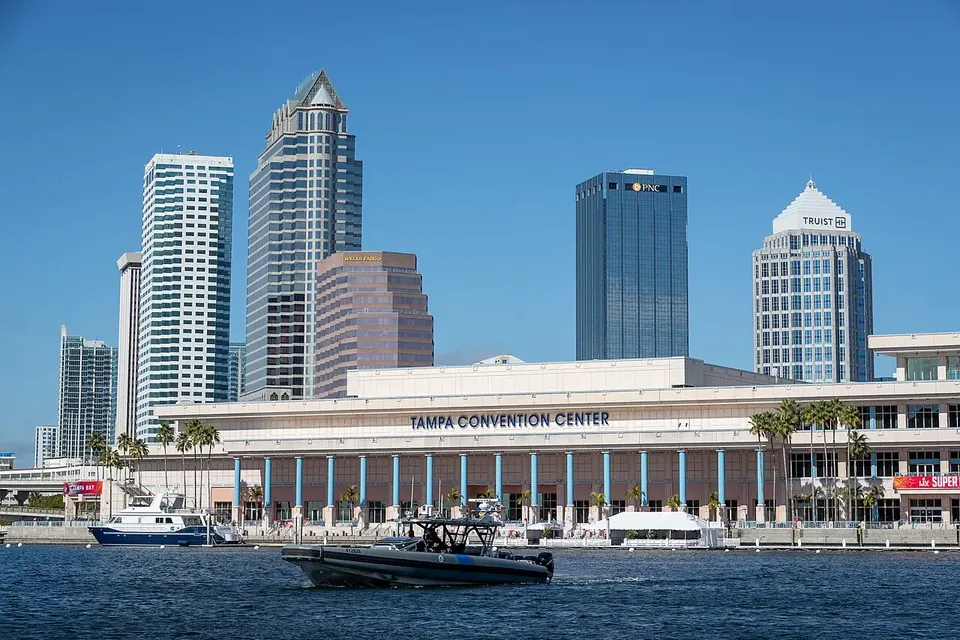
The 2012 General Conference, held in Tampa, Florida, met in the wake of the Call to Action report of 2010, which had urged the denomination to redirect its structures and resources toward the vitality of congregations. Delegates faced proposals to restructure the general agencies, to change how bishops and clergy were held accountable, and to end guaranteed appointments for elders. Many church members felt a mixture of hope and anxiety. A denomination that had been in numerical decline in the United States for four decades was being asked to change how it worked.
The thirty-day series was written for that moment. Rather than arguing for particular pieces of legislation, it invited readers to pray and reflect on the purpose of the church, the resistance that change provokes, and the hope that sustains faithful people through uncertainty.
What the series addressed
Judging from the titles published during the series and the publisher's description of the book, the reflections ranged across several themes:
- Purpose. Why congregations exist and what "changing lives" means, beyond institutional survival.
- Urgency without panic. The case for a healthy sense of urgency about decline, without the fear that leads to bad decisions.
- Measurement. The relationship between the metrics churches track and the immeasurable aspects of ministry.
- Leadership. The cultivation of clergy and lay leaders, and the limits of organizational charts.
- Habits. The ways congregations and conferences slip into patterns of blame or self-protection.
- Surrender and hope. Drawing on the Wesleyan tradition, including the language of the Covenant Prayer about being employed or laid aside for God.
- Vision. The series closed by imagining a renewed church.
The book was promoted for use by leadership teams, church boards and covenant groups, reading together to understand more clearly why congregations exist and what stands in the way of their mission.
Why "remember the future"?
The phrase captures a theme deep in Jewish and Christian tradition: memory as a resource for hope. Israel's prophets reminded the people of the exodus to give them courage in exile. The Lord's Supper is an act of remembrance that also anticipates a coming banquet. For a denomination with a vivid history of growth through lay preachers, circuit riders and small groups, remembering the past was meant not as nostalgia but as a reminder that the church had changed boldly before, and could do so again.
A season of preparation in any congregation
Congregations face their own versions of General Conference: choosing a new pastor, deciding whether to sell a building, merging with another church, starting a new service, or, in recent years, deciding whether to remain in or leave a denomination. A deliberate season of prayer and reflection before such decisions can change how they are made. Some practical suggestions drawn from the experience of many congregations:
- Set a defined period. Thirty or forty days gives shape and a natural end point.
- Read together. A short daily reading, from Scripture or a chosen book, gives the whole congregation a shared language.
- Pray for people, not outcomes. Pray by name for those who will decide and for those who will be affected, rather than for a particular result.
- Listen across differences. Small groups that deliberately mix people with different views can lower the temperature.
- Name fears honestly. Change provokes grief and anxiety. Naming them openly reduces their power.
- Recall the congregation's story. Times when the church took risks and survived are a source of courage.
- Plan for afterward. Whatever the decision, prepare to care for those who are disappointed.
Praying about structures
One unusual feature of the series was its willingness to treat church structures, budgets and rules as proper subjects of prayer. Congregations often pray readily for people in need and less readily for committees, policies and votes. Yet decisions about money, buildings and governance shape what a church can do for years. Bringing them into prayer does not make them less practical; it reminds those who make them that they serve a purpose larger than any institution, and that people on all sides of a decision belong to the same body.
After 2012
The 2012 General Conference adopted a plan to restructure the denomination's agencies, but the Judicial Council ruled it unconstitutional at the end of the conference, and other major proposals also failed or were reversed. In the following decade, the denomination's deepest conflict proved to be over sexuality rather than structure. Schnase continued to write about church systems, notably in Seven Levers: Missional Strategies for Conferences (2014). The questions the thirty-day series raised, about purpose, urgency, resistance and hope, have remained live for churches of every tradition.
Sources and further reading
- Abingdon Press, author page for Robert Schnase (lists Remember the Future).
- Dakotas Conference, "GC reflections from Janelle Jones, 2012 delegate".
- Rio Texas Conference, "Bishop Robert Schnase Returns to Rio Texas", 2016.
- UM News, "Call to Action Steering Team Releases Final Report", 2010.
 Notebook
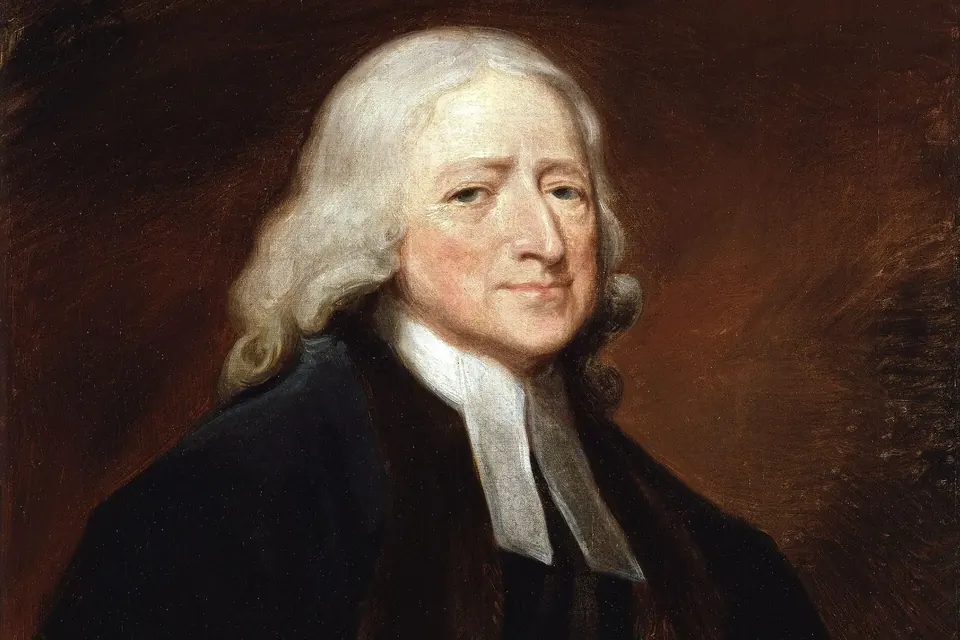
Wesley's Covenant Prayer
From Spitalfields in 1755 to January services today: the history and shape of covenant renewal.
 Notebook
Fruitfulness is more than numbers
Counting matters, but counts are not the fruit. How to measure without being ruled by the measure.
 Books & author
Robert Schnase, author and bishop
An unofficial, sourced profile: pastor in Texas, bishop in Missouri and Rio Texas, author.